
Basic chemicals
Caustic soda: flakes or 50% liquid — which should your mill order?
Same chemistry, different logistics. How the two forms of sodium hydroxide compare on handling, storage, dosing and cost per unit of active.
Sodium hydroxide (NaOH, CAS 1310-73-2) is used across textile processing for scouring, mercerising and pH control, and in ETPs for neutralisation. It is mainly supplied in two forms: solid flakes (about 98–99% NaOH) and a 48–50% aqueous solution. The chemistry is the same — the difference is in logistics and handling.
Side by side
- Active content: flakes ~98–99% NaOH; liquid ~48–50%.
- Packing: flakes in 25 kg bags; liquid in drums, IBCs or bulk tanker.
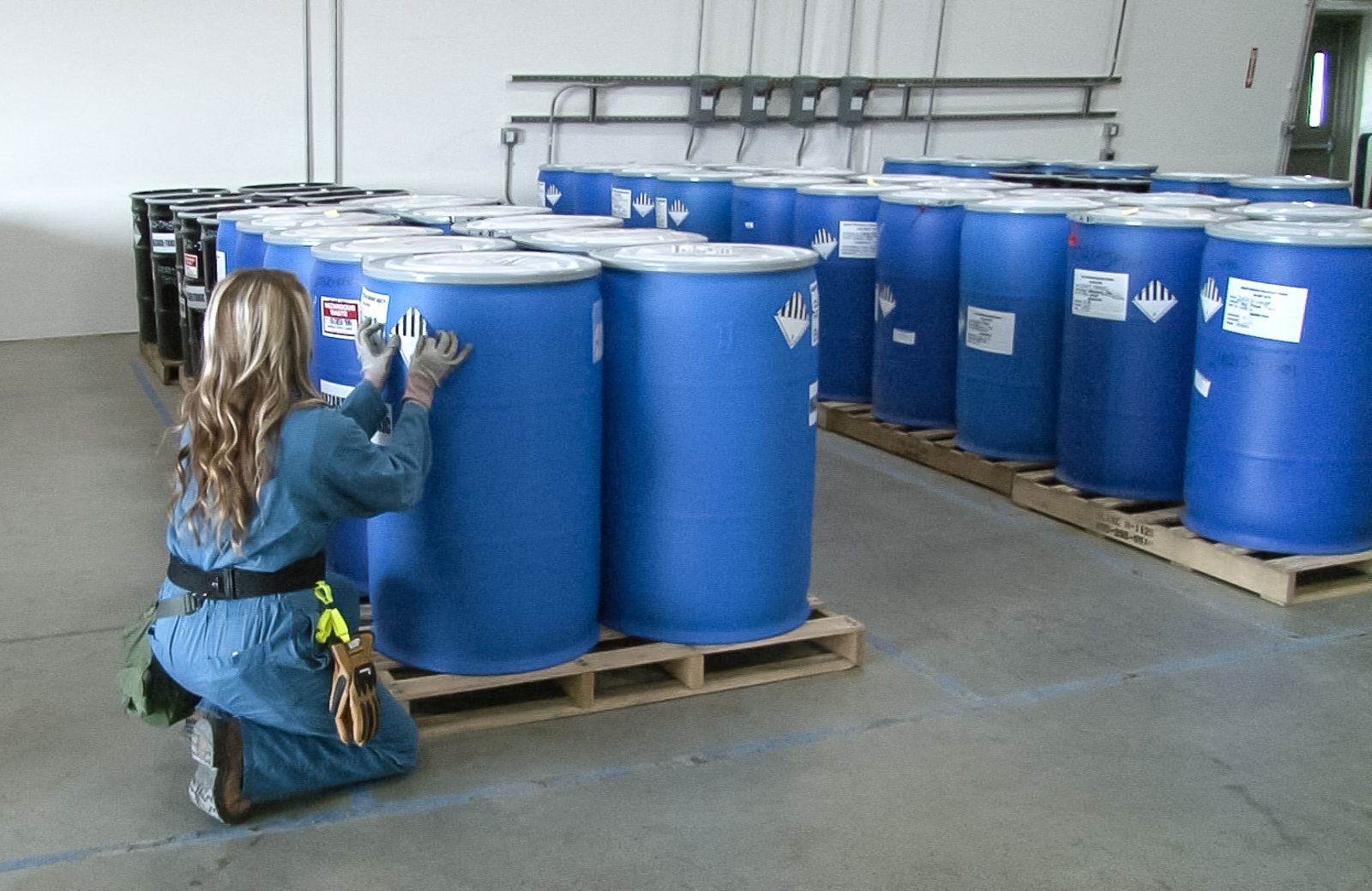
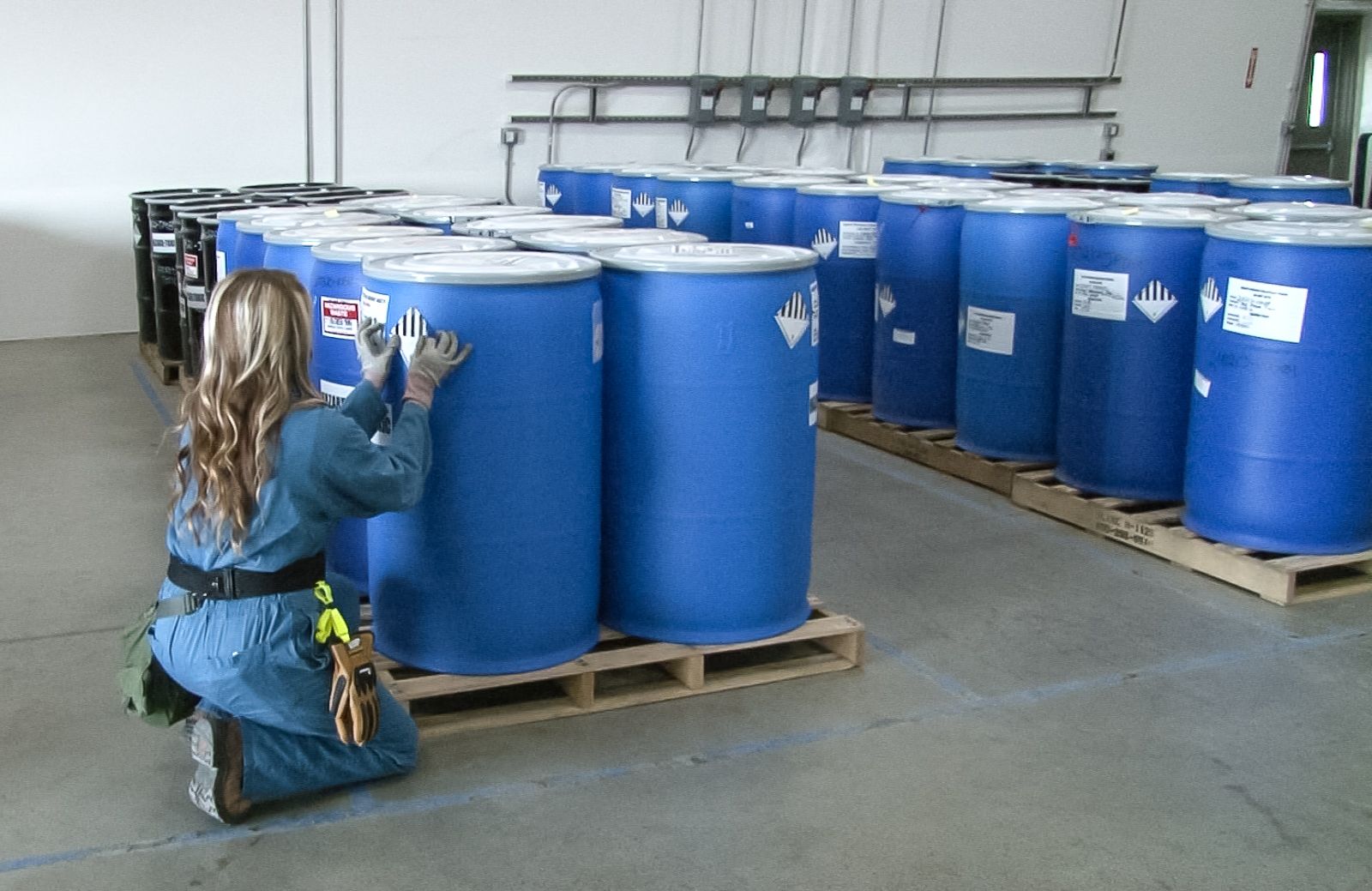
- Storage: flakes need a dry, sealed store; liquid needs a tank, heated in cool weather.
- Dosing: flakes must be dissolved first, which releases heat; liquid can be pumped directly.
- Freight: flakes ship less water; about half the weight of the liquid is water.
How to choose
- Smaller or variable use: flakes are easier to store and move in bags, but dissolving them releases heat and needs a safe procedure.
- Large, steady use: liquid with a storage tank and dosing pump is cleaner and safer to handle at scale.
- Compare on cost per kg of NaOH, not per kg of product — the liquid is roughly half water.
Whichever form you choose, follow the handling guidance on the SDS: caustic soda is corrosive to skin and eyes.
This article is sample content for the website review.